

Silicon (Si) deficiency effects the development of strong leaves, stems and roots. It also affect the formation of a thick silicated epidermal cell layer, and makes the rice plants susceptible to fungal and bacterial diseases, and insect and mite pests.
Silicon deficiency is not very common in irrigated rice. It occurs in areas with poor soil fertility, and is common in old and degraded paddy soils. It also occurs in organic soils with small mineral Si reserves, and in highly weathered and leached tropical soils in the rainfed lowland and upland areas.
The damage caused by Si deficiency is important throughout the growth cycle of the rice crop.
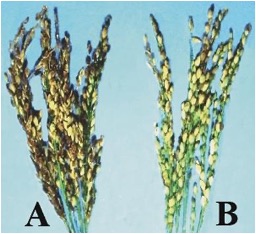
Severe Si deficiency reduces the number of panicles and the number of filled spikelets per panicle. Si-deficient plants are also particularly susceptible to lodging.
How to identify (symptoms)
How to manage